Win a free ticket for any one of our Big Screen Bucket List Series Films.*
Simply
- Follow @calgarycinema on Instagram
- Tag @calgarycinema in a post or story with a Big Screen Bucket List film and why it’s important to see it on the big screen
- When we repost it we’ll send you a code.
*good for only one film per person

Series Intro
Written by Ben Rowe.
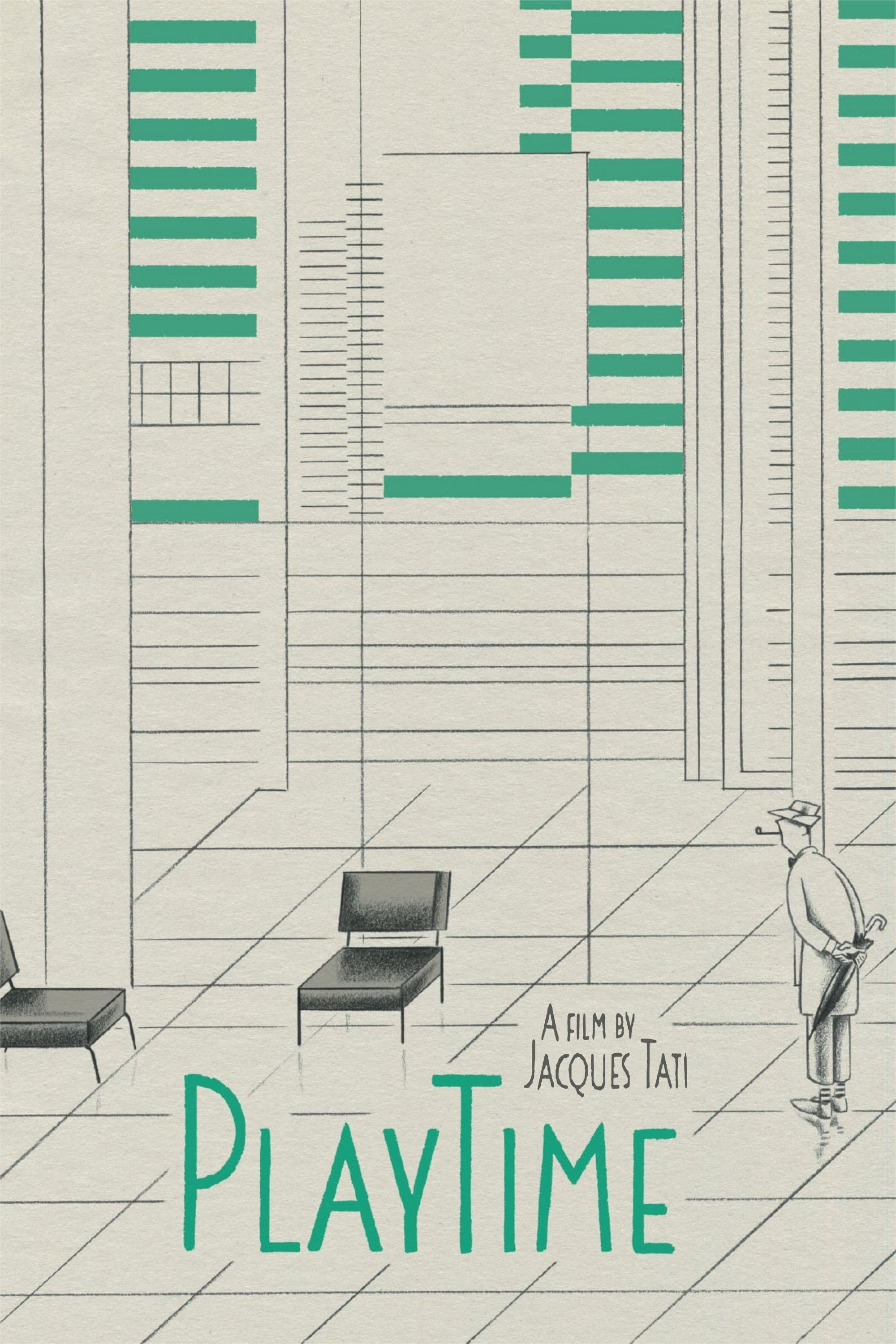
PlayTime
Monsieur Hulot curiously wanders around a high-tech Paris, paralleling a trip with a group of American tourists. Meanwhile, a nightclub/restaurant prepares its opening night, but it's still under construction.
Curation Notes
Jacques Tati's PlayTime is one of the miracles of cinema. By all rights, this is a work of art that should not exist, as the entire apparatus of commercial filmmaking is designed to prevent such a film. Tati, who staked his fortune on the project, built an enormous functioning city on the outskirts of Paris—paved streets, a power plant, working electricity, operating elevators, demountable towers—and shot the picture in 70mm with post-synchronized sound. The movie stands as an improbable marriage of the visual grammar of silent cinema and the monumental ambitions of the widescreen epic. Such spatial ambition and visual density are, at first, vertiginous and overwhelming; and then, simply, free and inevitable. What first appears as a genial satire of glass-and-steel modernity opens into something transcendent: a vision of human spontaneity and the insurgency of imagination that erupts through the bureaucratic postwar architecture of control and containment. The result, a movie with no real star, no conventional plot, no hierarchy of attention, is the pinnacle of the comedy of democracy. PlayTime demands to be seen on the biggest screen possible, from different seats in the theatre, over the course of a lifetime.
Written by David Telfer.
Not Yet Rated.
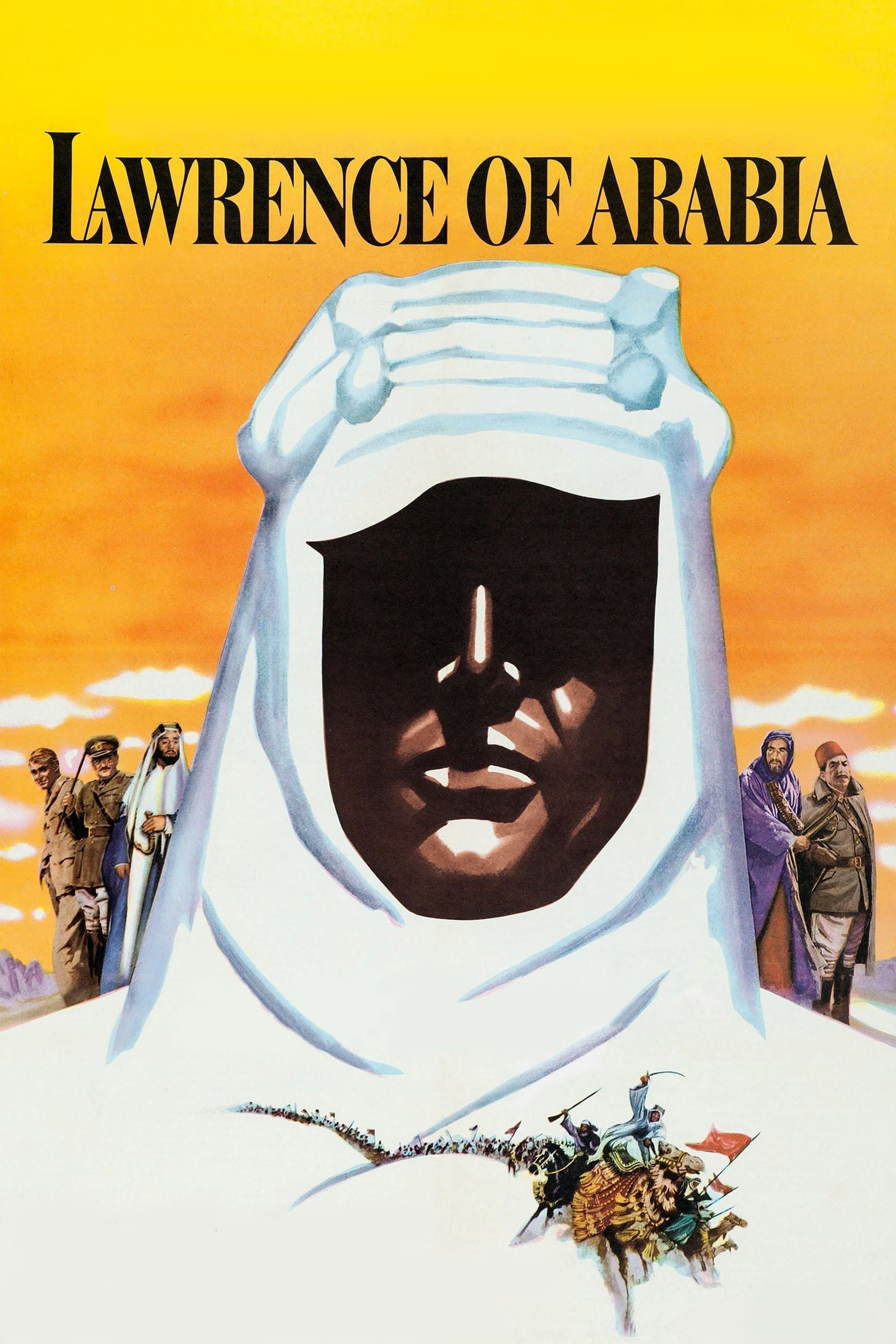
Lawrence of Arabia
The story of T.E. Lawrence, the English officer who successfully united and led the diverse, often warring, Arab tribes during World War I in order to fight the Turks.
Curation Notes
Aside from its historic scale and beauty, I think Lawrence as a film is most special to me for its fraught relationship to spectatorship, as Lawrence-the-Man is always in competition with Lawrence-the-Myth. Significantly, Lean directs Omar Sharif to gaze piercingly at Peter O'Toole throughout the three-hour runtime, so that one only has to look at Ali to orient your view to Lawrence in the frame. We see virtually none of the American or British coverage of Lawrence's heroics, but in every single scene we have Ali's assessing gaze as the true vantage point through which we access Lawrence's failures and triumphs. Lawrence was a cinematic gateway drug for me because it was one of the first films I ever saw that represented a split gaze in that way, asking us to reckon with the fact that the audience's gaze wasn't the only gaze. As the US enters another forever war in the Middle East, I wonder if films like Lawrence, despite its flaws, encourage us to watch more productively--to see through multiple perspectives rather than singular ones? I think Lawrence of Arabia deserves to be seen on a big screen because only in this medium can its themes of spectatorship and witness really implicate the audience in these dynamics. Watching on the big screen will best allow us to look inward as we turn our eyes more and more back towards the middle east, and to fresh narratives of Western heroism that are no doubt on our own horizon. Also: lest we ignore the iconic camel choreography!
Written by Lin Young.
Not Yet Rated.
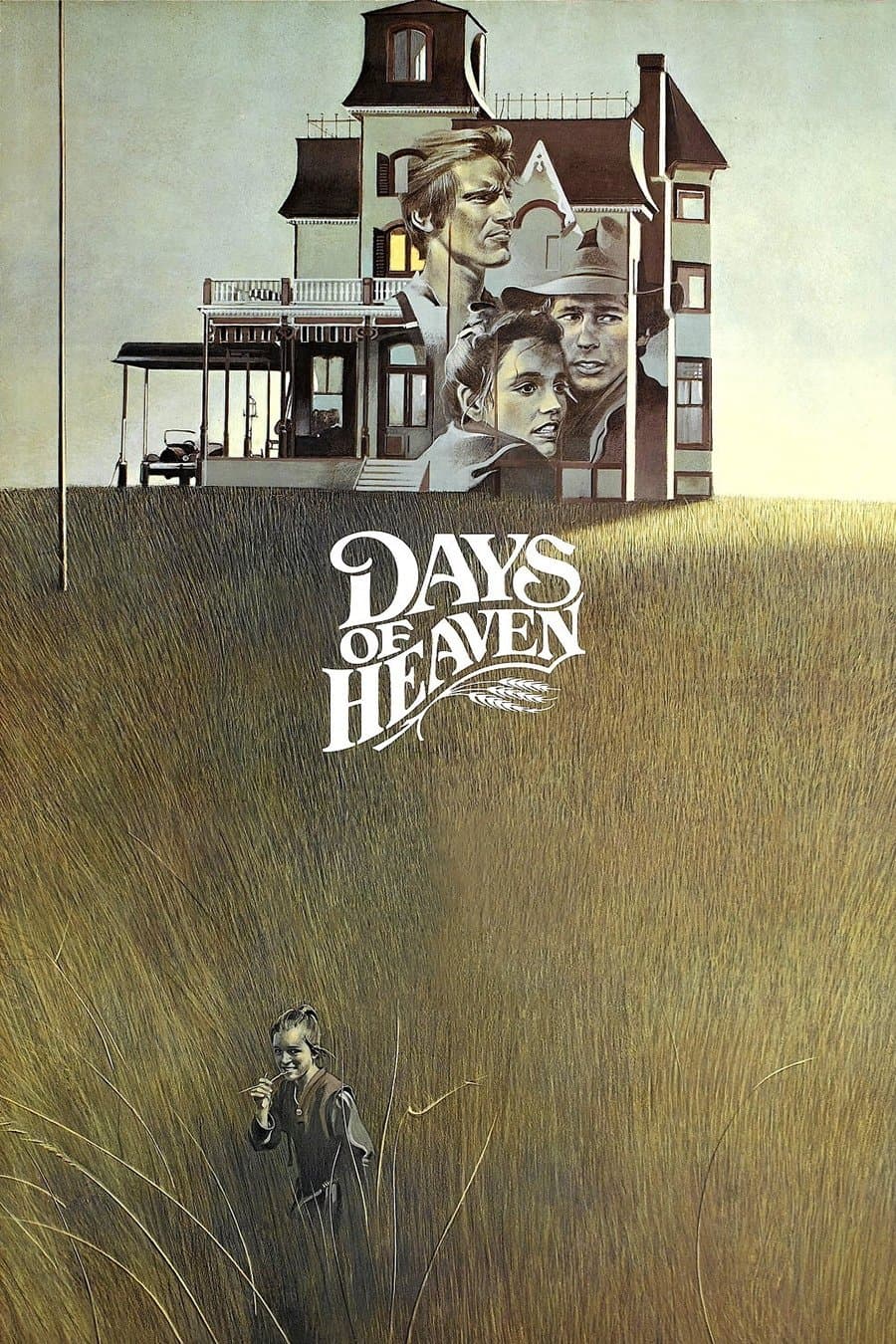
Days of Heaven
A hot-tempered farm laborer convinces the woman he loves to marry their rich but dying boss so that they can have a claim to his fortune.
Curation Notes
Days of Heaven is a cinematic bucket list screening for a few reasons. It is directed by a singular artist in Terrence Malick. It is also an early and foundational Alberta-shot Hollywood film, helping to lay the groundwork for decades of collaboration between local and Hollywood filmmakers. Most importantly for the cinema experience, it is one of the most gorgeous films ever photographed. Malick’s insistence that much of the film be shot at “golden hour” may have caused delays and frustrations on set but the end result speaks for itself. Cinematographer Néstor Almendros won his lone Academy Award for his work on Days of Heaven, one of the most well deserved Oscars ever given out.
Written by Kyle Hodge.
Rated PG.
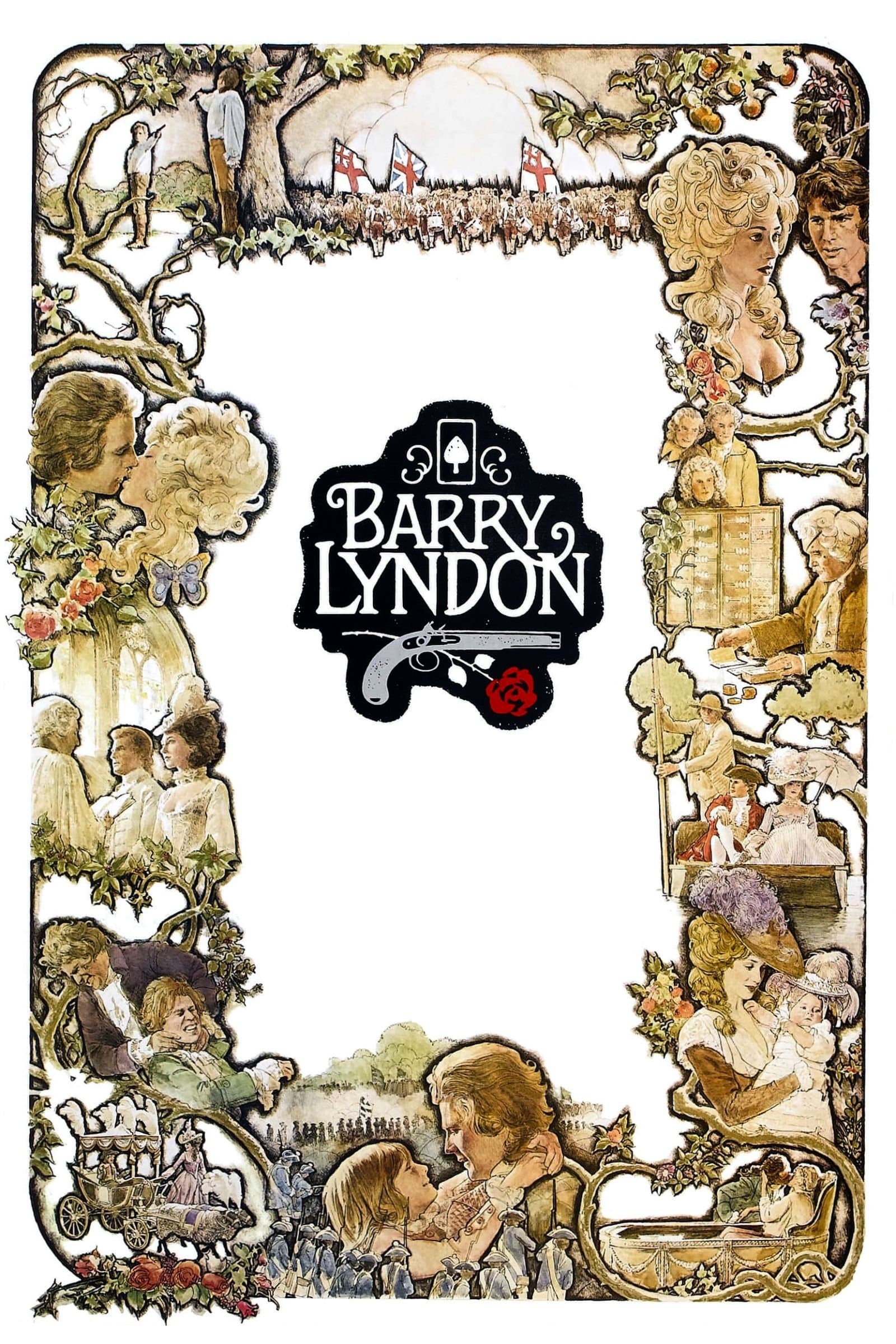
Barry Lyndon
An Irish rogue wins the heart of a rich widow and assumes her dead husband's aristocratic position in 18th-century England.
Curation Notes
Barry Lyndon is often included in a bucket list of films to see on the big screen, for many reasons. An obvious one is the sumptuous visuals that are created through meticulous production design and innovative cinematography, using lighting that evokes the 18th-century period setting. Another is the laconic pace and subtly sardonic tone, which rewards the close attention that's enabled by a theatrical screening with a complex story of ambition and social class mobility. It is a film that tells a timely tale of striving and inequality, perhaps more relevant now than even when it was made. It provides a rich, fulfilling, 3-hour cinematic experience that transports the viewer to another time and place, carefully created for the pleasure of a cinema audience.
Written by Donna Brunsdale.
Rated PG for violence and nudity.
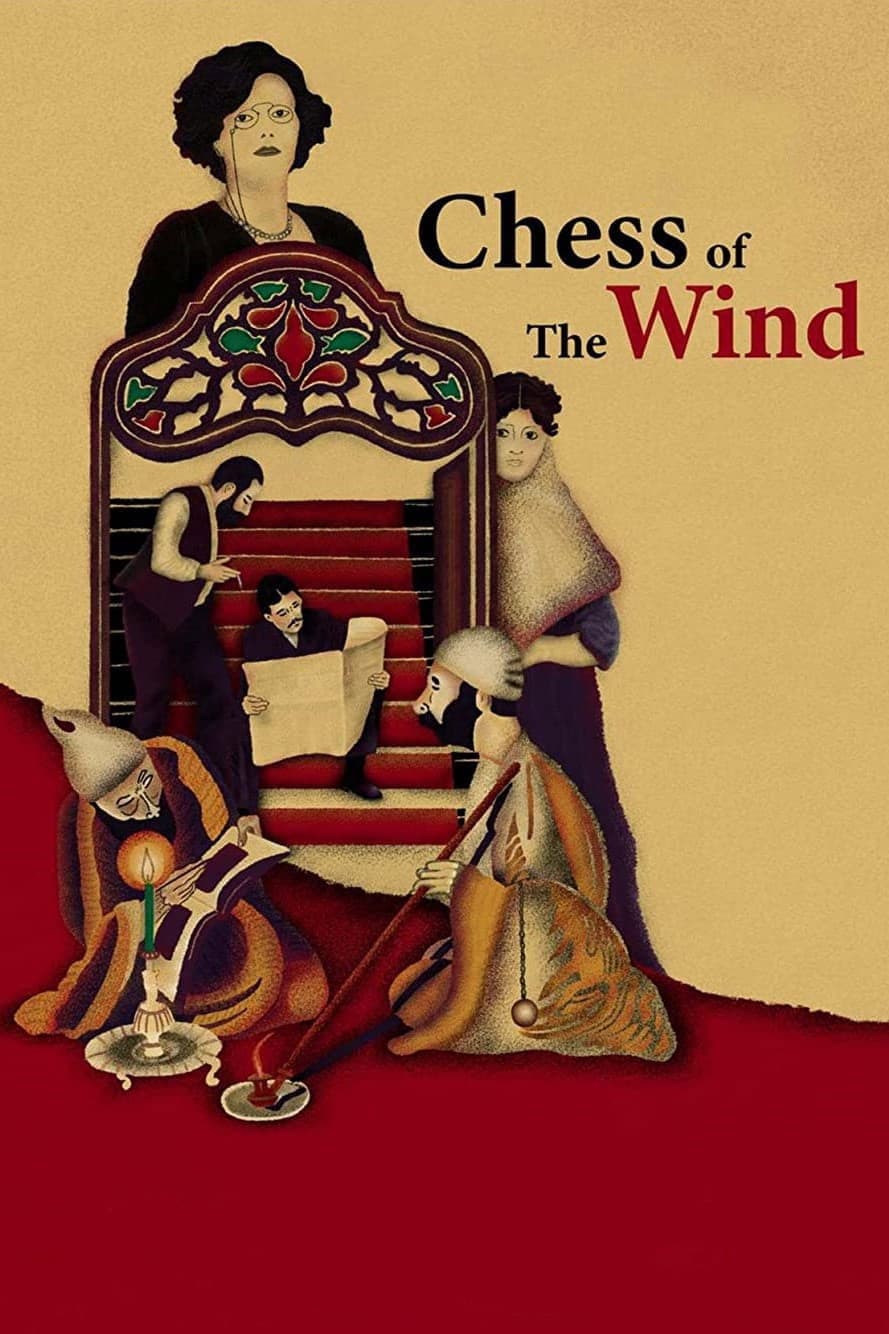
Chess of the Wind
The first lady of a noble house has died and now there is conflict between the remainders for taking over her inheritance.
Curation Notes
Chess of the Wind (1976), directed by Mohammad Reza Aslani, is one of the most hauntingly original works in Iranian cinema. Set within a decaying Qajar-era mansion, the story unfolds after the death of a matriarch, as relatives and servants circle around her inheritance. At the center stands the rightful heir, a physically disabled daughter whose quiet resistance turns the household into a battleground of power, greed, and manipulation. The film’s title becomes its guiding metaphor: like chess, every move is calculated; like the wind, every position is unstable. With painterly compositions inspired by Persian art, dim lighting, and suffocatingly still frames, Chess of the Wind transforms its setting into a visual prison, one where moral decay mirrors the collapse of a broader social order.
Long overlooked and later restored with the support of Martin Scorsese’s preservation efforts, Chess of the Wind feels like a recovered fragment of a lost cinematic past.
Written by Mohsen Nasrin.
Rated PG.
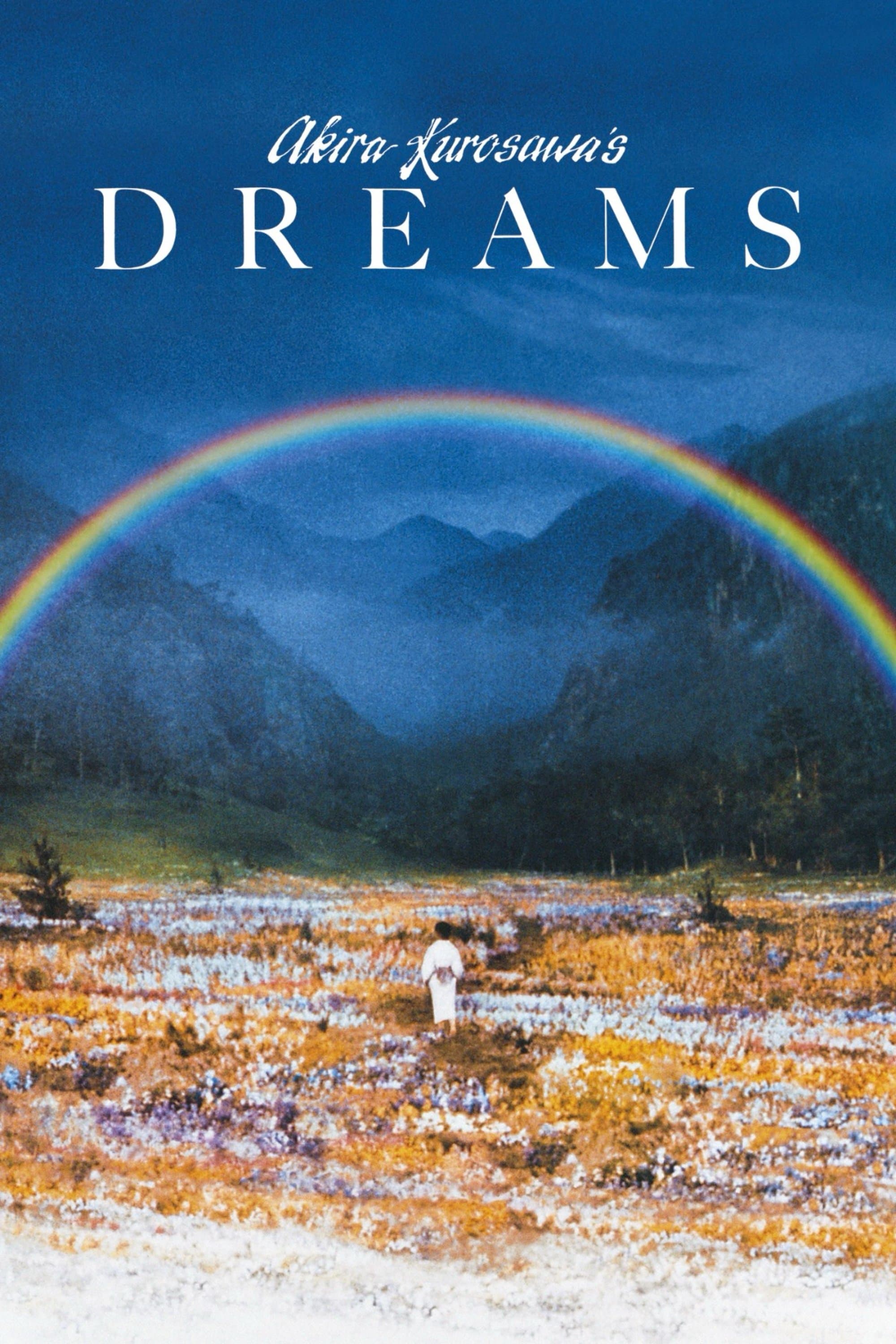
Dreams
A collection of tales based upon eight of director Akira Kurosawa's recurring dreams.
Curation Notes
More than a conventional narrative, Akira Kurosawa’s Dreams is a sequence of vivid visual poems: lush landscapes, vast skies, torrential storms, and painterly worlds inspired by dreams and memory, by emotions that range from horror to ecstasy. On a large screen, the scale and detail of these images become overwhelming in the best possible way, allowing viewers to be immersed in Kurosawa’s vision. The theatrical experience also amplifies the film’s extraordinary use of sound and silence, from the gentle rustling of forests to the apocalyptic roar of catastrophe. Seen in a darkened cinema, Dreams feels less like watching a movie and more like stepping inside another consciousness, making the big screen the ideal way to encounter one of cinema’s most visually transcendent works.
Written by Michael Cuenco.
Rated PG.
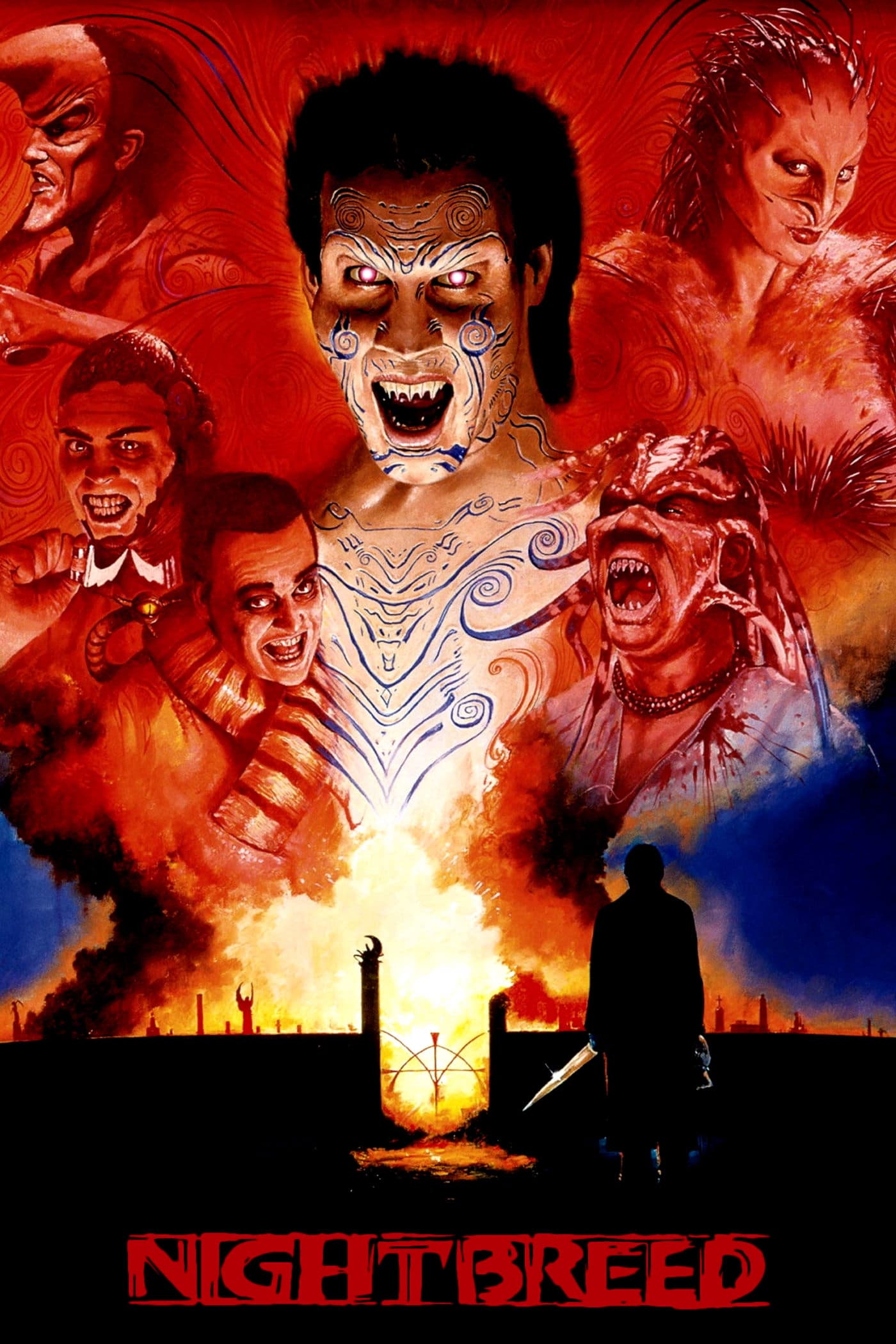
Nightbreed
A troubled young man is drawn to a mythical place called Midian where a variety of friendly monsters are hiding from humanity. Meanwhile, a sadistic serial killer is looking for a patsy.
Curation Notes
Shot across Alberta and set partly in Calgary, Clive Barker’s cult dark-fantasy epic Nightbreed follows Aaron Boone as he is tormented by both a grisly series of murders and by his psychiatrist (played by David Cronenberg), until he finds refuge in Midian, a hidden world inhabited by monsters. Despite studio interference upon release, the film has since been critically re-appraised, even described by Alejandro Jodorowsky as “the first truly gay horror fantasy epic.” Best known for his work on Hellraiser and Candyman, Barker reconstructed the Director’s Cut himself, restoring material removed by the studio, and finally realizing the story he always wanted to tell.
Written by Kenn Enns.
Not Yet Rated.
Community Partner: Calgary Underground Film Festival.
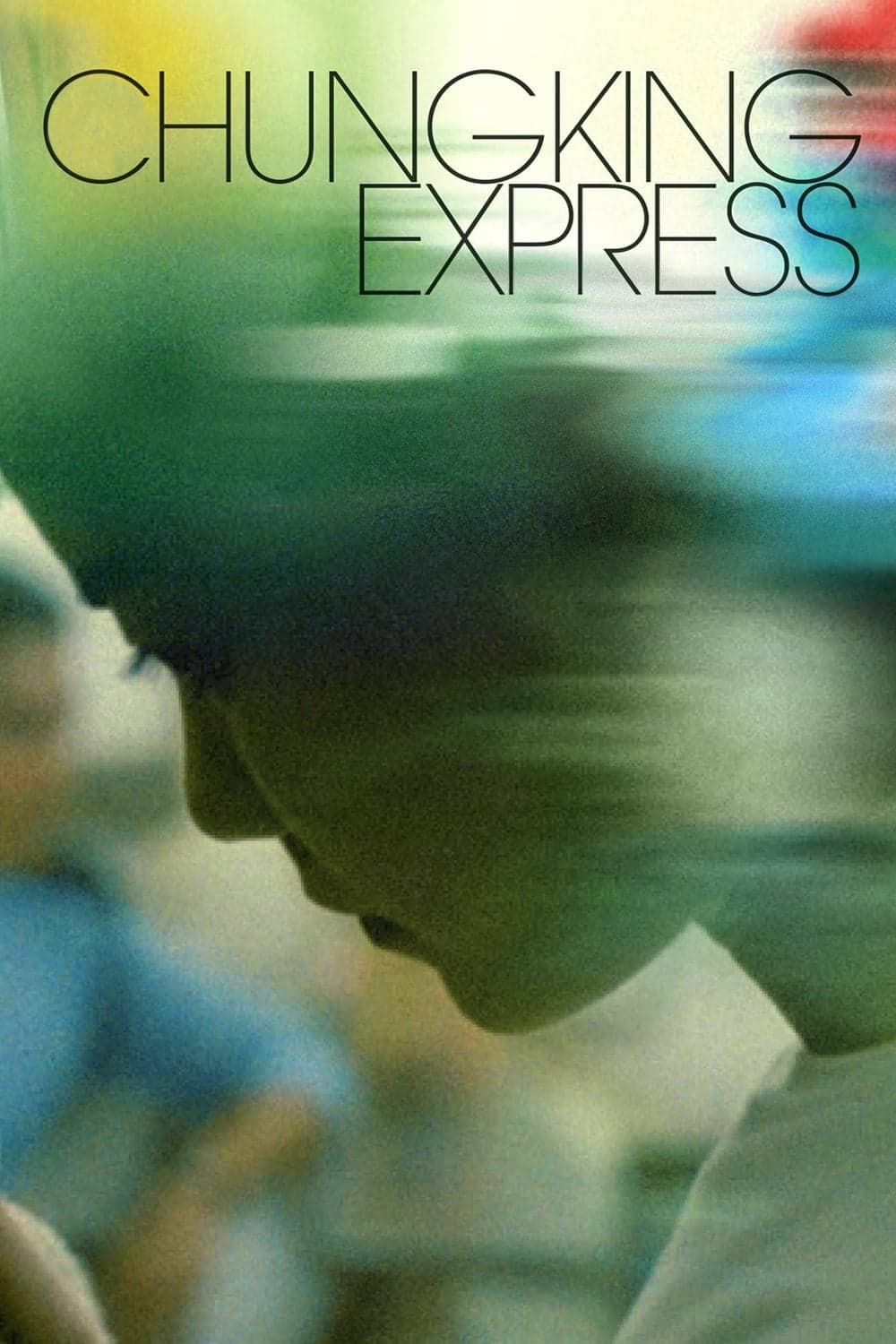
Chungking Express
Two melancholic Hong Kong policemen fall in love: one with a mysterious female underworld figure, the other with a beautiful and ethereal waitress at a late-night restaurant he frequents.
Curation Notes
Wong Kar-wai’s Chungking Express follows two heartbroken Hong Kong police officers drifting through a city where millions of people brush past one another without ever quite connecting. The loneliness the film captured in 1994 feels even more familiar now: we scroll past hundreds of faces a day, constantly connected yet rarely fully present. Through pop songs, chance encounters, and the restless rhythm of the city, Wong Kar-wai turns urban isolation into something you feel rather than simply observe. That feeling fully arrives in a cinema, where strangers share the same atmosphere, the same pauses, and the same passing moments in real time.
Written by Hanseul Jeong.
Rated PG.